Kitchen Sink: Every Element in One Article
Introduction
This article demonstrates every typographic and layout element available in the Ledger theme. The table of contents sidebar should automatically pick up all H2 and H3 headings, making this a comprehensive reference for content creators.
Typography
Heading Hierarchy
Ghost supports six heading levels. Most research articles use H2 for major sections and H3 for subsections.
Heading Level 4
Use H4 for sub-subsections within complex analysis.
Heading Level 5
H5 is available for deeper nesting.
Heading Level 6
The smallest heading level — rarely used but available.
Inline Styles
This paragraph demonstrates all inline formatting: bold text, italic text, bold italic, inline code, hyperlinks, strikethrough, andhighlighted text for key findings. All styles should be clearly distinguishable in the theme's typography.
Lists
Unordered Lists
- Equities are the primary growth engine of any long-term portfolio
- Fixed income provides stability and income
- Government bonds: lowest credit risk
- Corporate bonds: higher yields
- Investment grade: BBB- and above
- High yield: below BBB-
- Alternatives (commodities, real estate) improve diversification
- Cash is a valid tactical position
Ordered Lists
- Define investment objectives and time horizon
- Assess true risk tolerance — what you'll endure in a 30% drawdown
- Construct strategic asset allocation
- Implement with low-cost, liquid instruments
- Rebalance quarterly or when drift exceeds 5%
Blockquotes
The stock market is a device for transferring money from the impatient to the patient. — Warren Buffett
Rule No. 1: Never lose money. Rule No. 2: Never forget Rule No. 1. These rules aren't about avoiding all risk — they're about sizing positions so that no single loss threatens your ability to continue compounding. A 50% loss requires a 100% gain just to break even.
Data Tables
Market Overview
| Index | Last | Change | % Change | 52W High | 52W Low |
|---|---|---|---|---|---|
| S&P 500 | 5,842 | +18.4 | +0.32% | 5,920 | 4,835 |
| Nasdaq | 18,291 | -42.1 | -0.23% | 18,980 | 15,420 |
| Dow Jones | 42,180 | +124.8 | +0.30% | 43,100 | 36,200 |
| Russell 2000 | 2,284 | +31.2 | +1.38% | 2,350 | 1,890 |
| 10Y Treasury | 4.18% | +3bps | — | 4.65% | 3.82% |
| Gold | $2,890 | +$24 | +0.84% | $2,940 | $2,180 |
Performance Comparison
| Strategy | 1Y Return | 3Y Ann. | Sharpe | Max Drawdown |
|---|---|---|---|---|
| Ledger Model | +16.8% | +11.2% | 0.92 | -14.2% |
| 60/40 Benchmark | +12.4% | +7.8% | 0.71 | -18.6% |
| S&P 500 | +18.4% | +12.1% | 0.68 | -25.4% |
Code Blocks
Python
import pandas as pd
import numpy as np

def dual_momentum(prices: pd.DataFrame, lookback: int = 252) -> pd.Series:
    """Dual Momentum strategy implementation."""
    returns = prices.pct_change(lookback)
    abs_momentum = returns > 0
    spy_return = returns['SPY']
    eafe_return = returns['EFA']

    signal = pd.Series(index=prices.index, dtype=float)
    signal[spy_return > eafe_return] = 1.0
    signal[eafe_return > spy_return] = 0.5
    signal[~abs_momentum['SPY']] = 0.0
    return signal.fillna(0.0)
JavaScript
function formatPrice(value, currency = 'USD') {
  const formatter = new Intl.NumberFormat('en-US', {
    style: 'currency',
    currency,
    minimumFractionDigits: 2,
  });
  return {
    formatted: formatter.format(Math.abs(value)),
    direction: value >= 0 ? 'up' : 'down',
    arrow: value >= 0 ? '▲' : '▼',
  };
}
CSS
:root {
  --color-positive: #10B981;
  --color-negative: #EF4444;
  --color-neutral: #6B7280;
  --font-serif: 'Newsreader', Georgia, serif;
  --font-sans: 'Inter', system-ui, sans-serif;
  --font-mono: 'JetBrains Mono', monospace;
}
Images
Standard Image
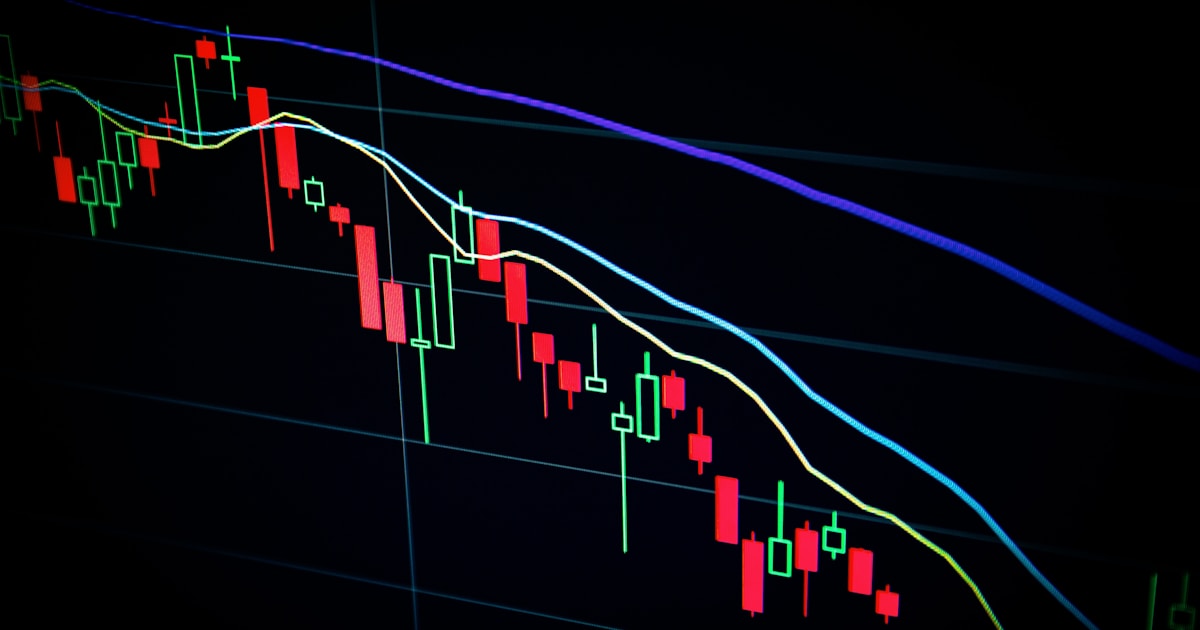
Wide Image

Full-Bleed Image

Gallery
Ghost Editor Cards
Callout Cards
Toggle Cards
What is dollar-cost averaging?
How do I calculate position size?
What's the difference between ETFs and mutual funds?
Bookmark Card

Button Card
YouTube Embed
Horizontal Rule
Content after the horizontal rule demonstrates visual separation between sections.
Disclosure
The author may hold positions in securities mentioned. This is for informational purposes only and does not constitute investment advice. Past performance is not indicative of future results.